Shop Best Sunscreen for Combination Skin in India
Struggling to find a sunscreen for combination skin that protects without feeling greasy or drying out certain areas? It can be tricky to address these unique concerns, but here’s how you can effectively protect and care for your combination skin.
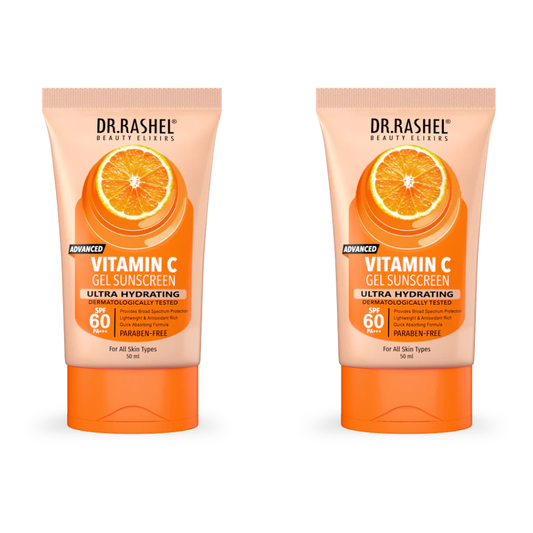
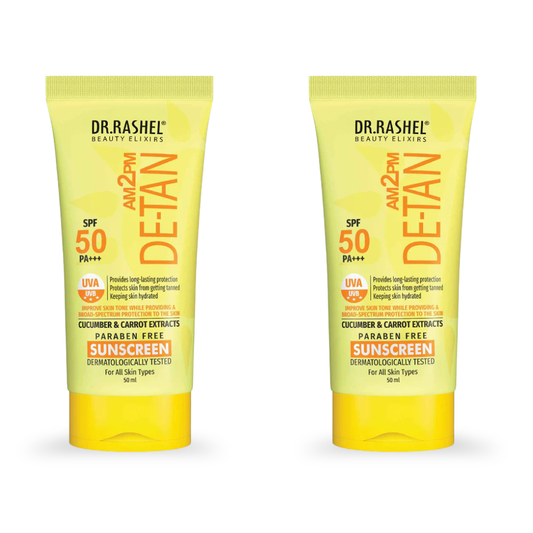
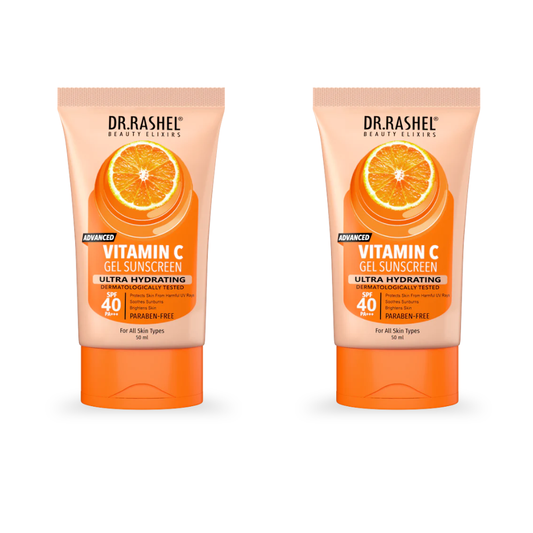
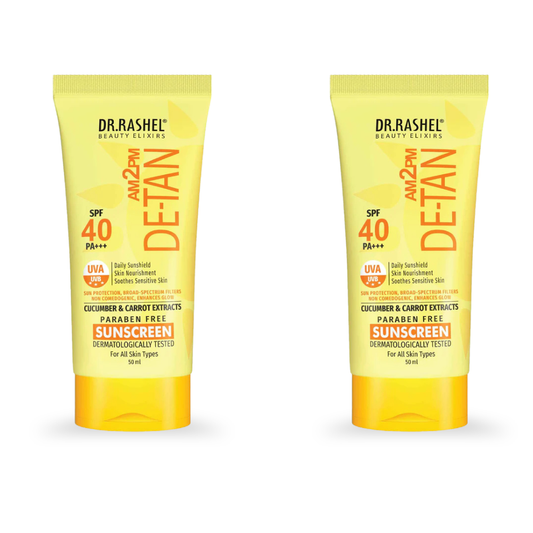
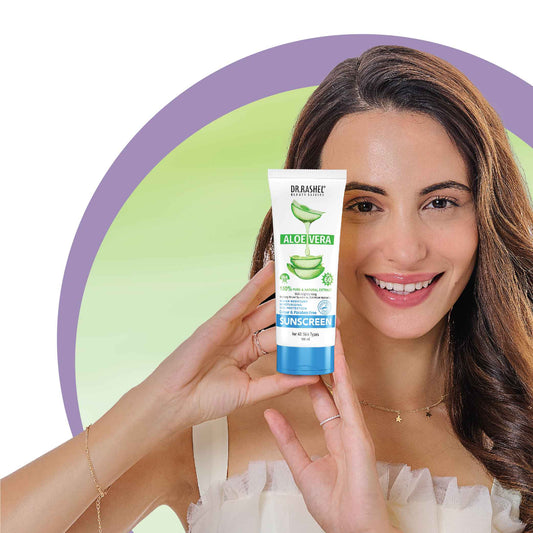
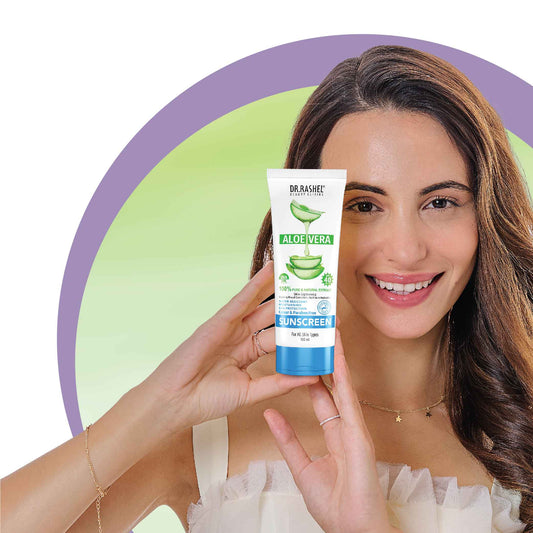
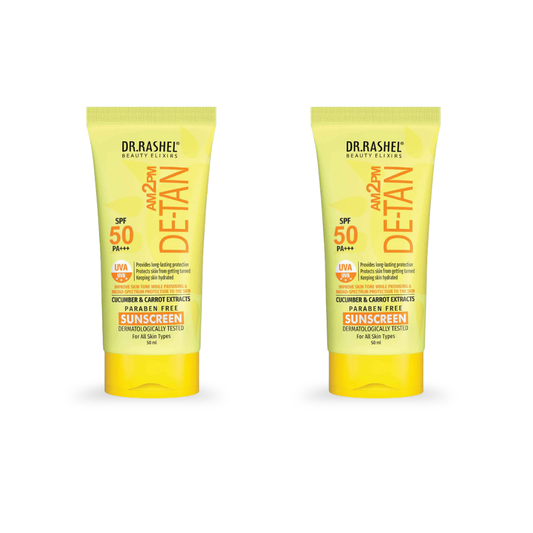
When your T-zone gets oily but your cheeks feel dry, choosing the wrong sunscreen can lead to breakouts or dryness. That’s why Dr. Rashel’s Sunscreen for combination skin is specially designed to balance hydration and oil control, giving your skin the best of both worlds! With a lightweight, non-greasy formula, it protects against harmful UV rays while keeping your skin fresh, smooth, and shine-free. Say goodbye to the sunscreen struggle and hello to healthy, glowing skin—every day!
Understanding What is Combination Skin Exactly
Combination skin is characterized by regional variability, with some areas exhibiting excessive oil production while others are dry or have a compromised barrier function.
- The T-zone (forehead, nose, and chin) exhibits increased gland activity that secretes oils and enlarged pores.
- Normal zones (cheeks & jawline) show a reduction in natural moisturizing content of the body, also called NMF, and compromised skin’s hydration.
This heterogeneity creates formulation challenges, as skincare products, especially sunscreen for combination skin, must have the features that will simultaneously regulate oil, maintain hydration, and ensure UV protection.
Why Combination Skin Requires Specialized Sunscreen Formulation
Challenge #1: Differential sebum interaction
Excess oil or sebum in the T-zone can be engulfed by UV filters, reducing SPF efficacy and increasing shine.
Challenge #2: Barrier imbalance
Dry areas are prone to water loss from the skin’s deep layers, while oily areas risk clogging of follicular regions.
Challenge #3: Comedogenic risk
Heavy emollients may clog pores in the T-zone, leading to an increased risk of papules and severe acne.
Challenge #4: Uneven sensory perception
A single formulation/sunscreen for combination skin must feel non-greasy yet non-drying across different facial zones.
What are the Characteristics of Sunscreen for Combination Skin?
UV Filter System
Sunscreen for combination skin should include filters like Avobenzone, Octocrylene, and Tinosorb S/M are a good choice because they feel lightweight and non-greasy. Sunscreens that mix chemical filters with micronized mineral filters give balanced sun protection and help reduce white cast. Literally, it’s better to avoid combination skin sunscreens with heavy mineral filters, as they can feel thick and clog pores on combination skin.
Texture of Sunscreen
For combination skin, gel, gel-cream, or light cream sunscreens work best because they feel light and easy to apply. A low oil content with fast-absorbing silicones keeps the skin from feeling greasy, while special components formulated lightweight sunscreen for combination skin spread evenly for consistent sun protection.
Oil-Regulating & Barrier-Supporting Actives
Ingredients like Niacinamide help control oil, strengthen the skin barrier, and reduce inflammation, while Zinc regulates sebum and has antimicrobial properties. Light-weight Hyaluronic Acid provides hydration without clogging pores, and Ceramides help restore the skin’s barrier in drier areas, making it best for combination skin.
Comedogenicity Control
Using non-comedogenic oils keeps the skin moisturized without clogging pores, and avoiding heavy chemicals that can prevent blocking of pores and breakouts, making it the safest sunscreen for combination skin.
Benefits of Using Sunscreen for Combination Skin
Balance Hydration and Excess Oil
Combination skin consists of dry and oily skin areas. Keeping this in mind, opt for a sunscreen that controls excess oil while keeping dry skin hydrated and oil free. Sunscreen ensures to protect your skin from sun exposure and prevents acne breakouts, blackheads or clogged pores.
Reduces Premature Aging
Consistent use of sunscreen helps to reduce premature aging signs such as fine lines, wrinkles and sagging caused by UV Rays. A face sunscreen for oily skin protects skin against skin damage and keeps skin younger, radiant and soft.
Uneven Skin Tone
Extreme sun exposure triggers melanin production that leads to pigmentation, aging and dark spots. Sunscreen cream for oily/combinations skin with infused Ingredients like kojic acid, lauric acid and niacinamide helps to even skin tone and enhance your natural glow. It protects the skin from getting tan and gives a brighter complexion.
Strengthens Skin Barrier
Due to mixed skin type, combination skin experiences redness, breakouts and sensitivity. It consists of anti-inflammatory properties that protects and strengthens skin elasticity by stimulating collagen. Helpful ingredients such as aloe vera, glycerin, hyaluronic acid or ceramides ensures skin stays calm without making it greasy.
How to Use a Sunscreen for Combination Skin
- Step 1: Use two-finger lengths of sunscreen, dot, and massage into your face.
- Step 2: Apply 5-10 minutes before stepping outside
- Step 3: Let it absorb completely.
- Step 4: Reapply every two hours for extra protection
Why to Choose Dr. Rashel Sunscreen for Combination Skin?
Dr. Rashel Sunscreen for Combination Skin has shown excellent results when used consistently and in the right amount. Our lightweight sunscreen is carefully formulated for all skin types, including combination skin, to balance oily and dry areas effectively. Suitable for both men and women, it contains the most effective ingredients tailored to your skin type and concerns, making it easy to incorporate into your daily skincare routine.
Dr. Rashel Sunscreen cream is thoughtfully designed to meet your unique beauty needs, providing protection without clogging pores or over-drying any area. It is free from harmful chemicals, parabens, and sulfates, vegan-friendly, and safe for consistent use.
Key Ingredients Used in Dr. Rashel Sunscreen for Combination Skin
Carrot
Carrot has a natural SPF boosting effect that gives protection against harmful sun rays. It is filled with beta-carotene, vitamin A and vitamin E that helps to neutralize free radicals. The antioxidants protect against premature aging signs. It deeply nourishes while keeping it ideal combination skin sunscreen.
Cucumber
Cucumber provides instant cooling on sunburn, redness and skin inflammation. This natural astringent controls sebum production whilst hydrating skin. It is rich in vitamin A, C and flavonoids that protects from extreme sun exposure and maintains skin elasticity. Hydrating sunscreen for combination skin controls clog pores making it perfect for combination skin. It restores moisture to prevent acne breakouts, hyperpigmentation, suntan and aging spots.
Aloe vera
Aloe vera regulates sebum production from T-zone making sure other skin areas do not dry out. It contains aloin, a natural depigmenting ingredient that reduces dark spots and keeps skin brighter and healthy. With polysaccharides and amino acids, aloe vera stimulates collagen production to keep skin firm, soft and glowing.
Vitamin C
Vitamin C is known as an all rounder ingredient for enhancing skin. A vitamin C hydrating sunscreen for combination skin neutralizes free radicals and blocks harmful rays. It strengthens and repairs skin for a healthy skin texture. It fades dark spots and brightens complexion.
Vitamin E
Vitamin E works as a skin brightener that lightens dark spots and uneven skin tone. It is lightweight and fast absorbing that hydrates skin without stripping oils. It stimulates collagen production and strengthens skin barrier to prevent redness, sunburn and sensitivity. It promotes natural and even toned glow on skin.
FAQ’s - Sunscreen for Combination Skin
Which type of sunscreen is best for combination skin?
Gel-based or matte-finish sunscreens work well as they hydrate dry areas while controlling oil in the T-zone without making skin greasy.
How much SPF is needed for combination skin?
For daily use, SPF 30 to 50 is ideal for combination skin.
Is aloe vera good for combination skin?
Yes! Aloe Vera is perfect to apply as sunscreen for combination skin as it provides lightweight hydration, soothes irritation, and controls excess oil, keeping the skin fresh and balanced without making it greasy.
How often should I reapply sunscreen if I have combination skin?
Reapply sunscreen every 2-3 hours, especially if you’re outdoors.
Is gel-based sunscreen good for combination skin?
Yes! Gel-based sunscreens are lightweight, fast-absorbing, and non-greasy, making them ideal sunscreen for combination skin.
Can sunscreen clog my pores and cause breakouts?
To prevent breakouts, choose a non-comedogenic, oil-free sunscreen with ingredients like niacinamide or zinc oxide, which keep pores clear while offering sun protection.
Related categories
Nose Strips | Lip Balm | Moisturizer | Cream | Scrub | Serum | Face Wash | Foaming Face Wash | Clay Stick Mask | Sunscreen | Sheet Mask | Wet wipes | Day Cream | Night Cream | Face Cream | Gel | Face Pack | Gel Scrub | Face Cleanser | Facial Kit | Facial Home Spa | Skin Series | Face Scrub